


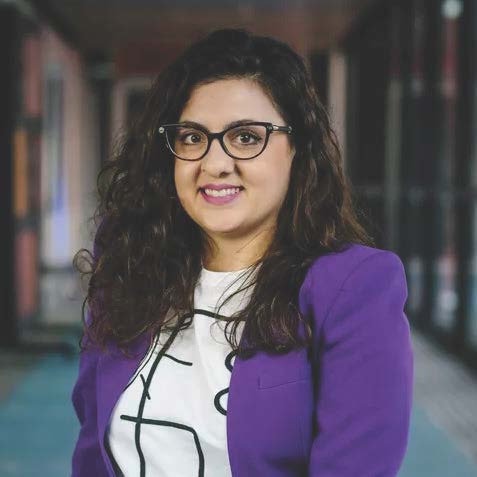
This is a transformative moment in forensic genetics. By bringing together cutting-edge technologies, CapCell will enable precise identification of perpetrators in cases where conventional methods have failed for decades. It’s about justice, science, and impact.
Dr. Athina Vidaki
CapCell project coordinator & UM/MUMC+ team lead
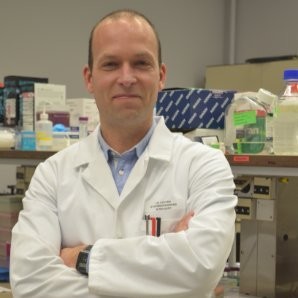
This is a transformative moment in forensic genetics. By bringing together cutting-edge technologies, CapCell will enable precise identification of perpetrators in cases where conventional methods have failed for decades. It’s about justice, science, and impact.
Prof. Bram Bekaert
CapCell KUL-FBS team lead

By integrating complex laboratory steps into compact and reliable microfluidic systems, we aim to bridge the gap between innovation and real-world practice. Close collaboration with forensic labs and end-users is indispensable to ensure the microfluidic technologies will create great impact in the forensics field.
Prof. Jeroen Lammertyn
CapCell KUL-MeBioS team lead
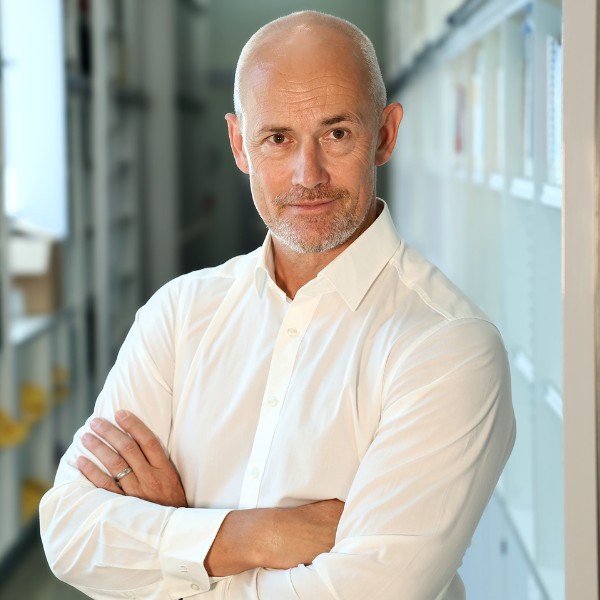
Our focus is on usability, impact, and innovation for forensic end-users. CapCell’s approach aims to provide practitioners with tools to recover informative single-cell profiles, even when the evidence contains just a few relevant cells. This could be a game-changer.
Prof. Dr. Walther Parson
CapCell MUI team lead
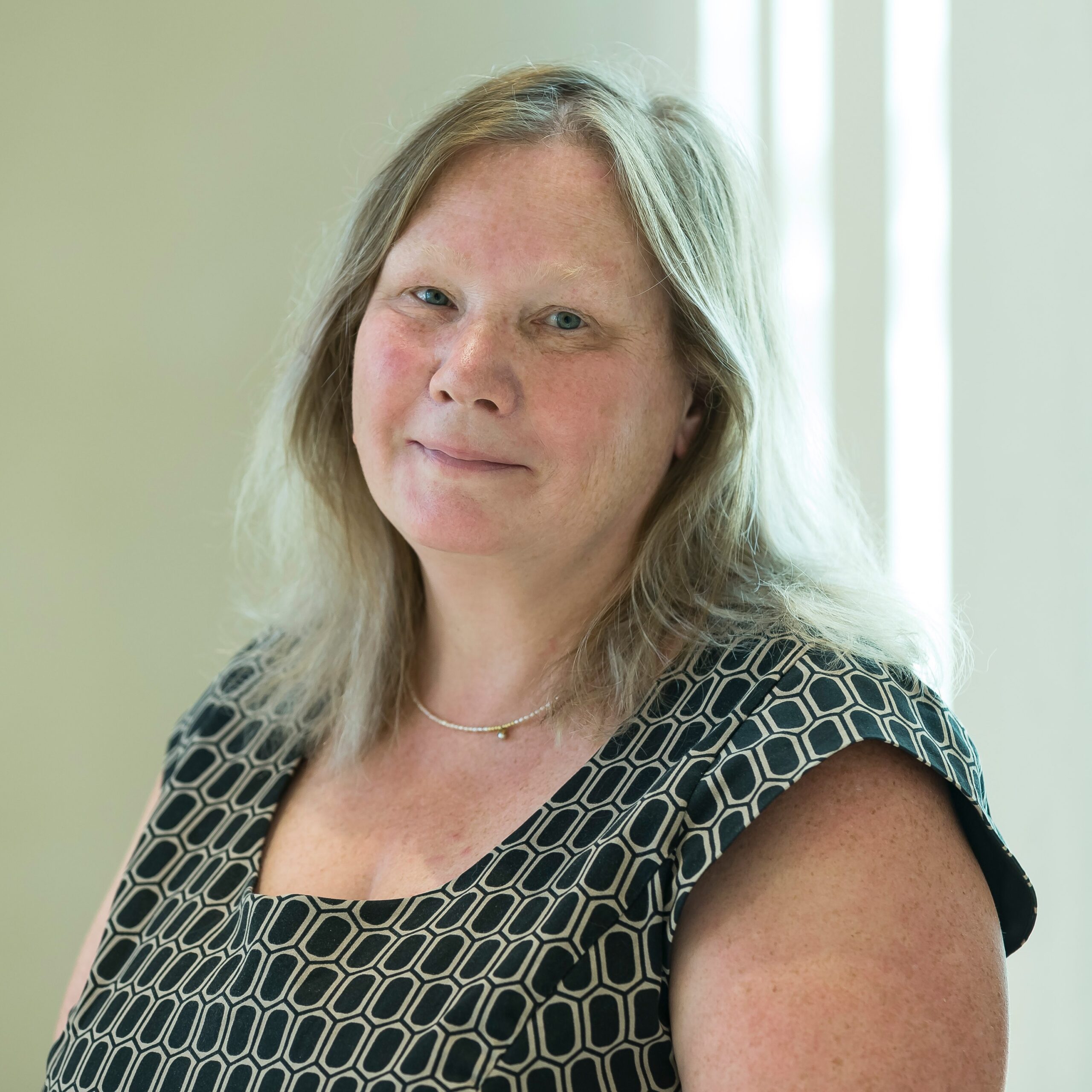
Our focus is on usability, impact, and innovation for forensic end-users. CapCell’s approach aims to provide practitioners with tools to recover informative single-cell profiles, even when the evidence contains just a few relevant cells. This could be a game-changer.
Titia Sijen, PhD
CapCell NFI team lead

CapCell is about not giving up on difficult evidence. Working at the cellular level allows even very limited material to produce information that can change the outcome of a case – and that is our goal.
Dr Jesamine Jöneva Rikisahedew
CapCell EFSI team lead
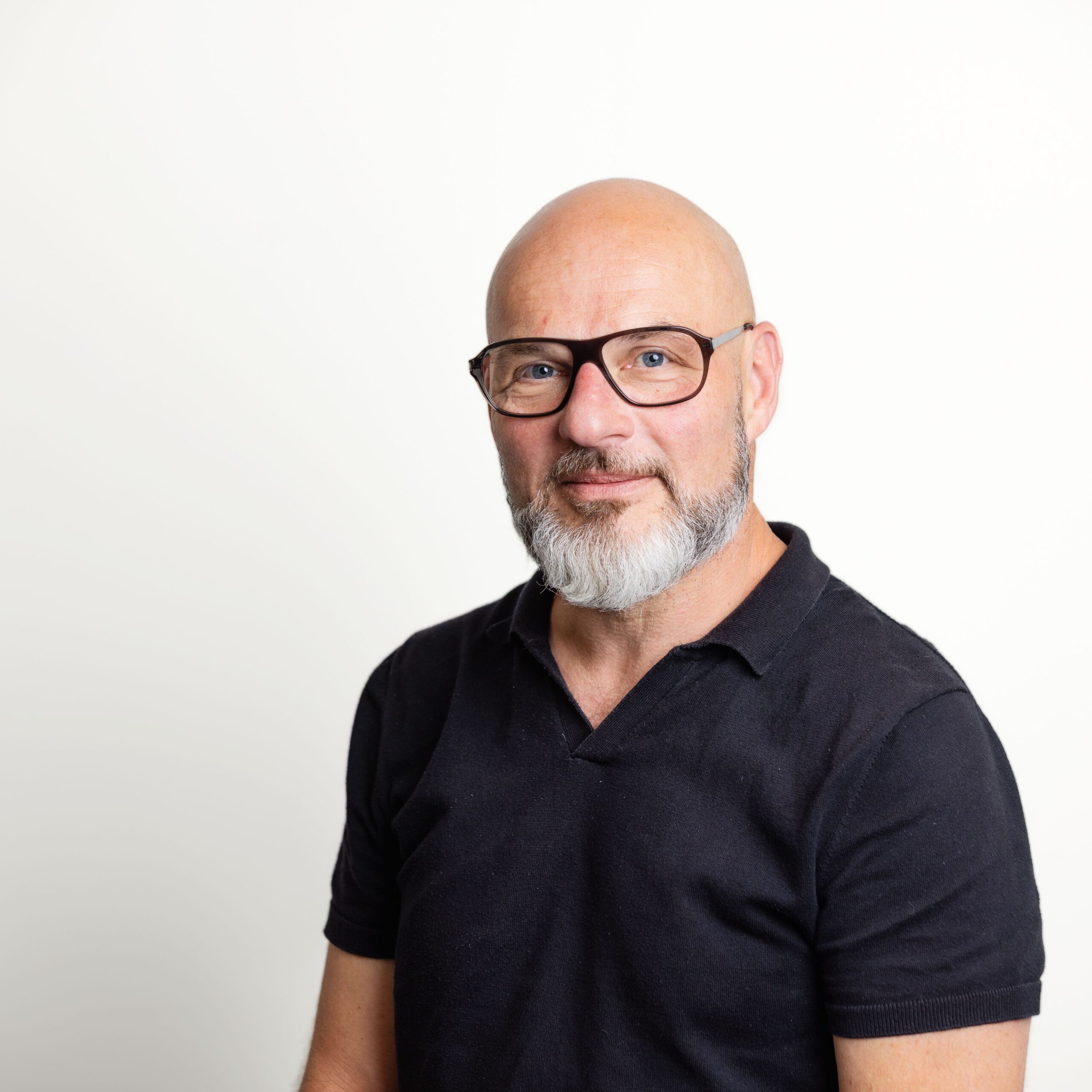
I am excited that NimaGen has been asked to participate in CapCell. Our Reverse Complement PCR technology has been recognized to have the potential to reach the sensitivity required for single cell DNA analysis.
Pieter van Oers
CapCell Nimagen team lead
What excites us about CapCell is the ambition to move beyond proof-of-concept toward solutions that can truly be adopted in the field. By contributing to our productization expertise, we help ensure these breakthroughs are not only innovative, but also usable, reliable, and ready to scale.
Tim Dieryckx
CapCell Voxdale team lead

Not only an exciting project in a scientific context, also a prime example on innovation with a realistic potential to implement reliable DNA-results on ultra-low template crime scene samples.
Bo Thisted Simonsen
CapCell and EDNAP liasion lead