
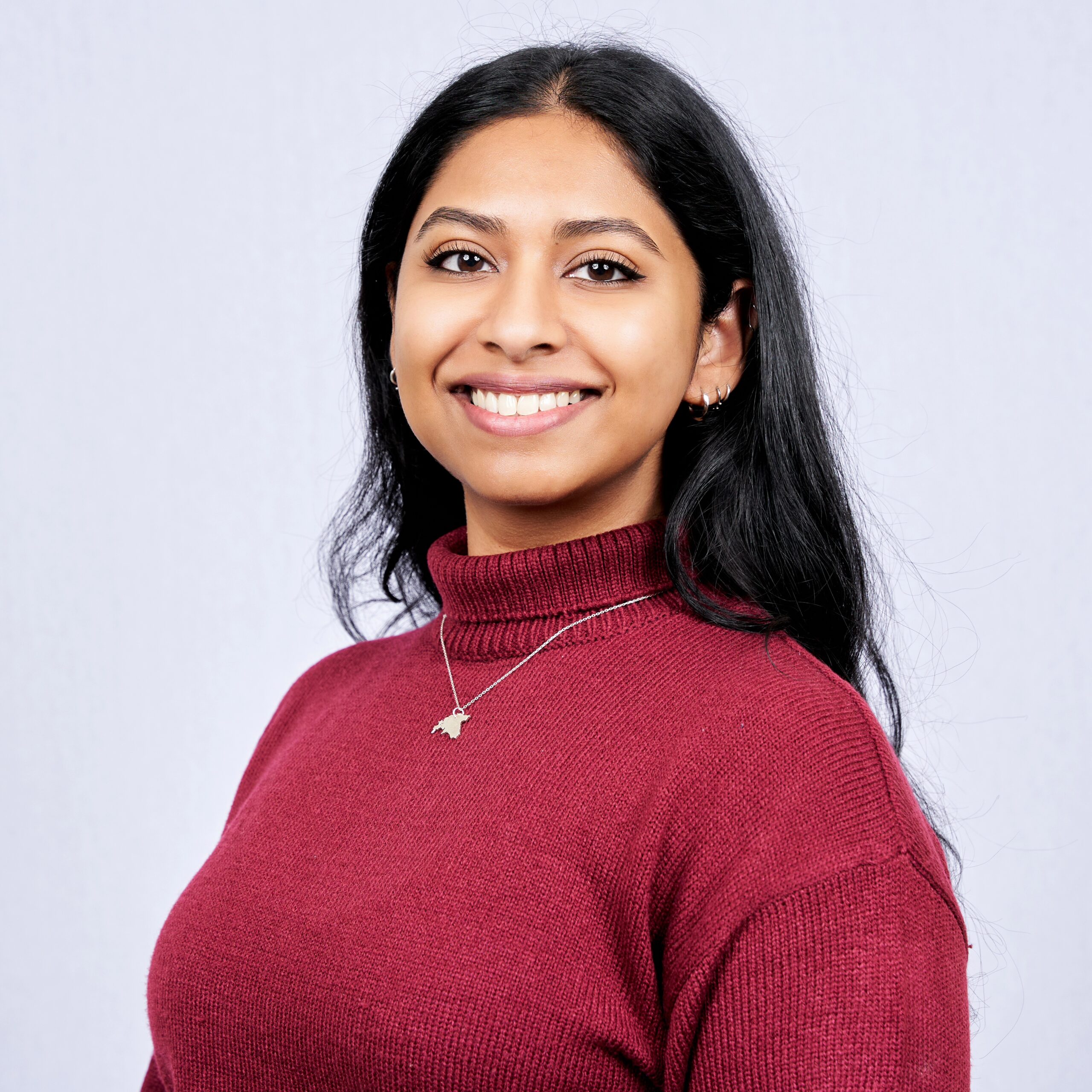
I am a researcher at the Estonian Forensic Science Institute with a PhD in Applied Biology. My expertise lies in microscopy, with a focus on cellular structure and imaging. In CapCell, I apply this background to forensic samples, contributing to the development of methods that improve intact cell recovery in challeng-ing biological evidence.
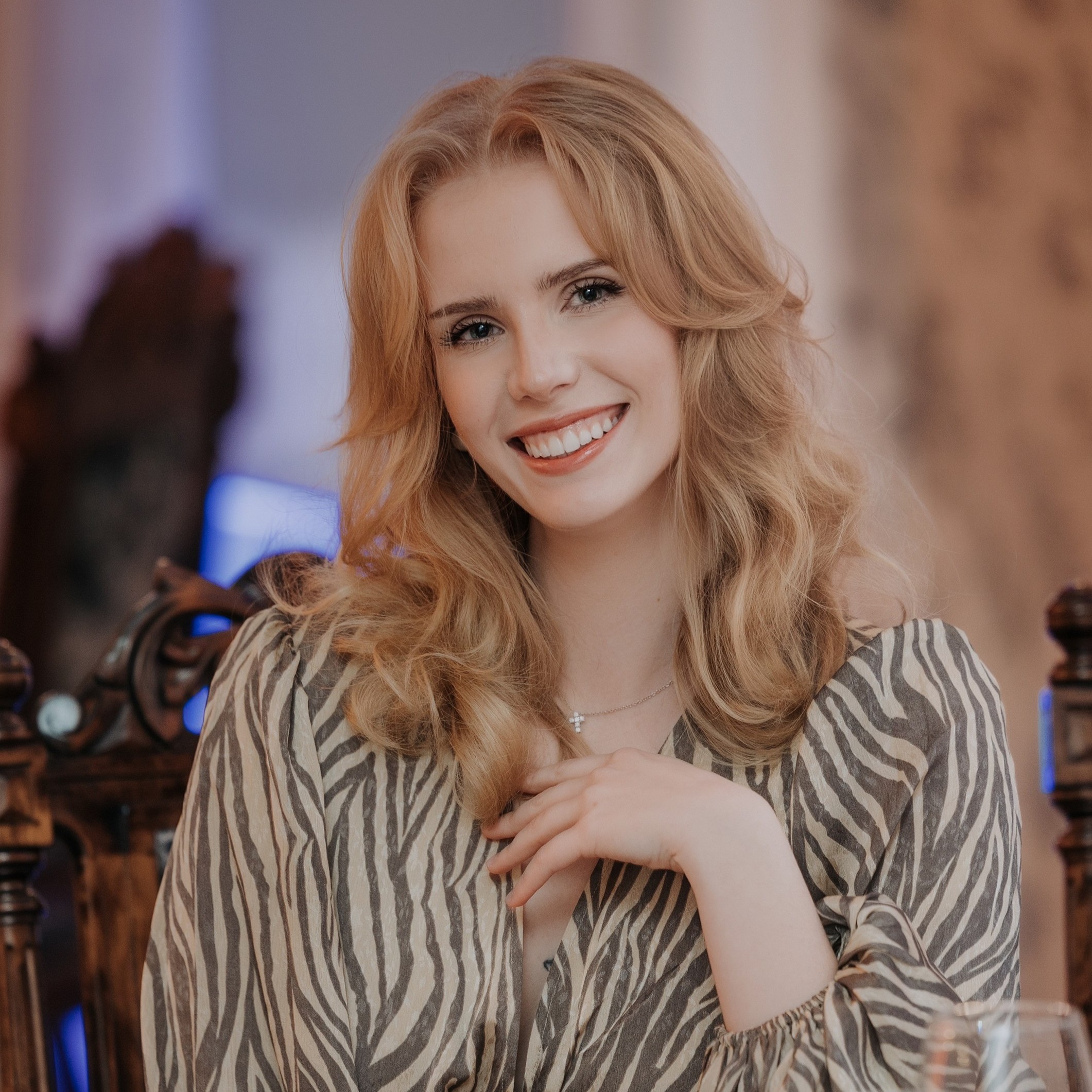
I am a Junior Researcher and Laboratory Specialist at the Estonian Forensic Science Institute, working on the CapCell project within WP2. My work focuses on optimising intact cell recovery, and microfluidics-compatible sample preservation for single-cell DNA analysis. I hold a Master’s degree in Forensic Science from Uppsala University and a Bachelor’s degree in Biology from the University of Tartu. I have previous research experience in Estonia, Sweden, and the United States, with a strong background in DNA/RNA extraction, PCR/qPCR, sequencing work-flows, and contamination-controlled laboratory work.
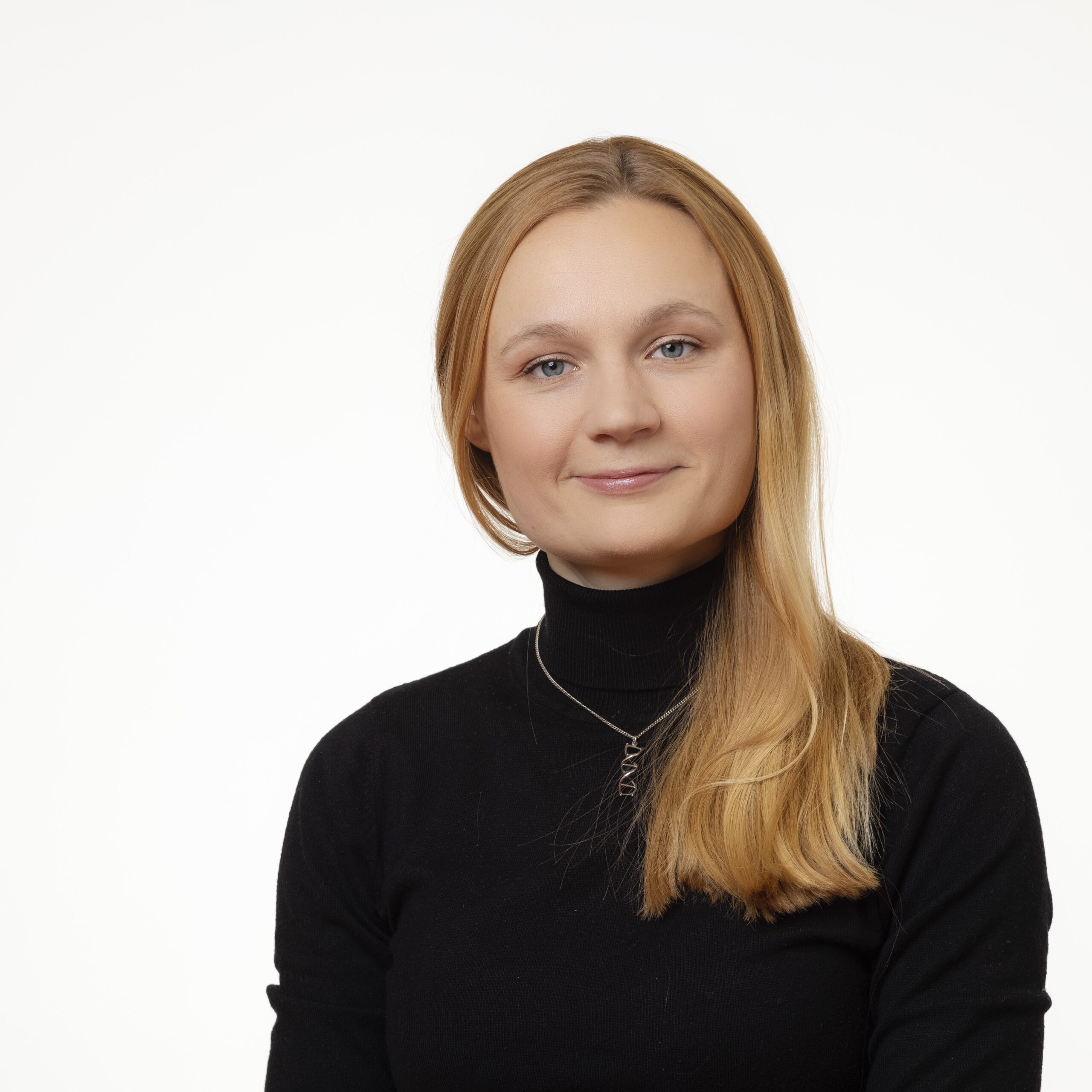
I am a DNA Reporting Officer and Research Scientist at the Estonian Forensic Science Institute, holding a PhD in Natural Sciences. My research focuses on the application of kinship analysis in forensic DNA inves-tigations, particularly for the identification of human remains and contributors to complex crime scene sam-ples. The CapCell project holds a special place in my work, as it addresses one of the most persistent chal-lenges in forensic genetics: complex DNA mixtures from serious crime scenes that have, until now, re-mained uninterpretable. The emphasis is very much on until now.