

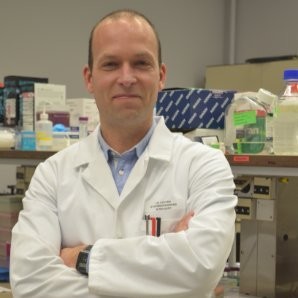
Combining my role as a DNA expert witness with an academic position at KU Leuven allows me to translate laboratory innovations, after rigorous validation and accreditation processes, directly into forensic casework. This short cycle from development to implementation accelerates the adoption of cutting-edge techniques, ensuring that scientific advancements rapidly enhance the accuracy, reliability, and evidentiary value of forensic investigations.
As a young researcher, I have had the opportunity to explore a broad range of forensic research topics, from epigenetic age prediction during my master’s degree to single-cell sorting and the application of microfluidics in forensics throughout my PhD. I am highly motivated to expand on this diverse skill set and applying it in new and innovative ways within this project.
Working in forensic genetics, my work focuses on the analysis of biological and contact trace samples from sexual assault cases. My interest in this field grew during my master’s degree in forensic science, where my thesis centred on the HIrisPlex-S system. This background laid the foundation for my current research on improving the sensitivity and interpretation of low-level DNA, and for translating laboratory methods into tools that support accurate, evidence-based casework.