
Maastricht University / Maastricht UMC+

Individual & Forensic (Epi)genomics lab (UM)

About

UM plays a central role in CapCell by combining scientific leadership with hands-on development of next-generation forensic DNA analysis tools. The UM team coordinates the project’s overall progress, ensuring smooth collaboration between partners, responsible data management, and alignment with quality and regulatory standards. This provides the stable framework needed to translate complex research data into impactful tools that can ultimately be trusted and used in forensic practice.

Scientifically, UM brings extensive experience in technological innovation and expertise in long-read sequencing. The team’s focus is on employing novel concepts to advance DNA sequencing strategies and make them work with extremely small amounts of biological material, down to individual cells.

By developing and validating single-cell, long-read sequencing approaches alongside associated data analysis methods, UM helps reveal forensic DNA profiles that is typically lost in conventional analyses of mixed or degraded samples.

Overall, UM contributes both from a management and scientific perspective to ensure that the advanced forensic single-cell DNA methods by CapCell are robust, interpretable, and compatible with real forensic workflows.

Our team

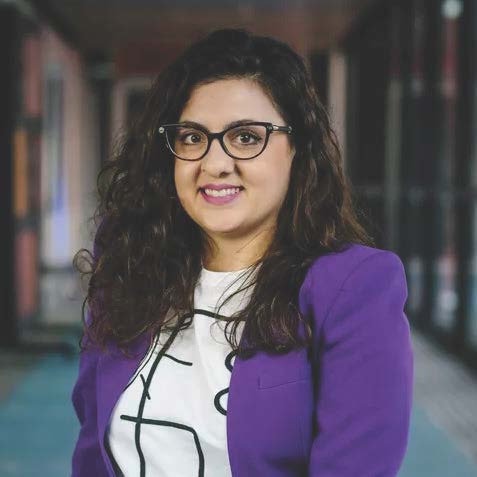
Dr. Athina Vidaki

Associate professor | principal investigator | Team Lead

I am an associate professor in individual epigenomics at Maastricht University, with an international track record in forensic genetics. I lead a research group developing innovative experimental and computational (epi)genomic approaches, including single-cell and long-read sequencing, to address complex forensic questions in the topic of human identification. Alongside my research, I am currently setting up a new forensic DNA casework laboratory at Maastricht UMC and actively contributing to several scientific and educational programs worldwide.
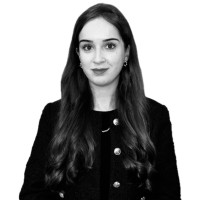
Camille Ropert

PhD researcher

My passion for forensic genetics has led me to the Netherlands to pursue my PhD at Maastricht University. While completing a Bachelor’s and Master’s in Biotechnology, I had the opportunity to work in a forensic police lab and a private forensic laboratory, gaining practical experience in mtDNA for maternal lineage, SNPs for phenotypic prediction, and DNA methylation for age estimation. My first international experience as a visiting researcher at King’s College Forensic Genetics team gave me the chance to learn more about this fascinating field.