
A recently published validation study in Analytical Chemistry presents SpermFACS, a new method developed by researchers at UZ Leuven and KU Leuven to identify perpetrators of sexual violence even when only minimal biological evidence is available. The method enables the highly sensitive separation of sperm cells from vaginal cells in complex forensic samples, increasing the likelihood of obtaining reliable DNA evidence in cases where current standard techniques may fail.
As highlighted in the UZ Leuven news article, SpermFACS combines fluorescence-activated cell sorting with a specialised labelling approach to recognise and isolate individual sperm cells from mixed biological samples. The validation study showed that the method is five to seven times more sensitive than current standard techniques and can obtain DNA profiles up to at least five days after sexual contact. This is particularly relevant for cases where victims report sexual violence several days after the incident.
The publication marks an important scientific milestone for the field of forensic genetics. It also provides a strong foundation for CapCell, the follow-up research project that builds on the SpermFACS methodology. While SpermFACS has demonstrated the potential of highly sensitive cell sorting for sexual assault casework, CapCell aims to take the next step by miniaturising the technology and enabling the analysis of forensic samples on a microchip.
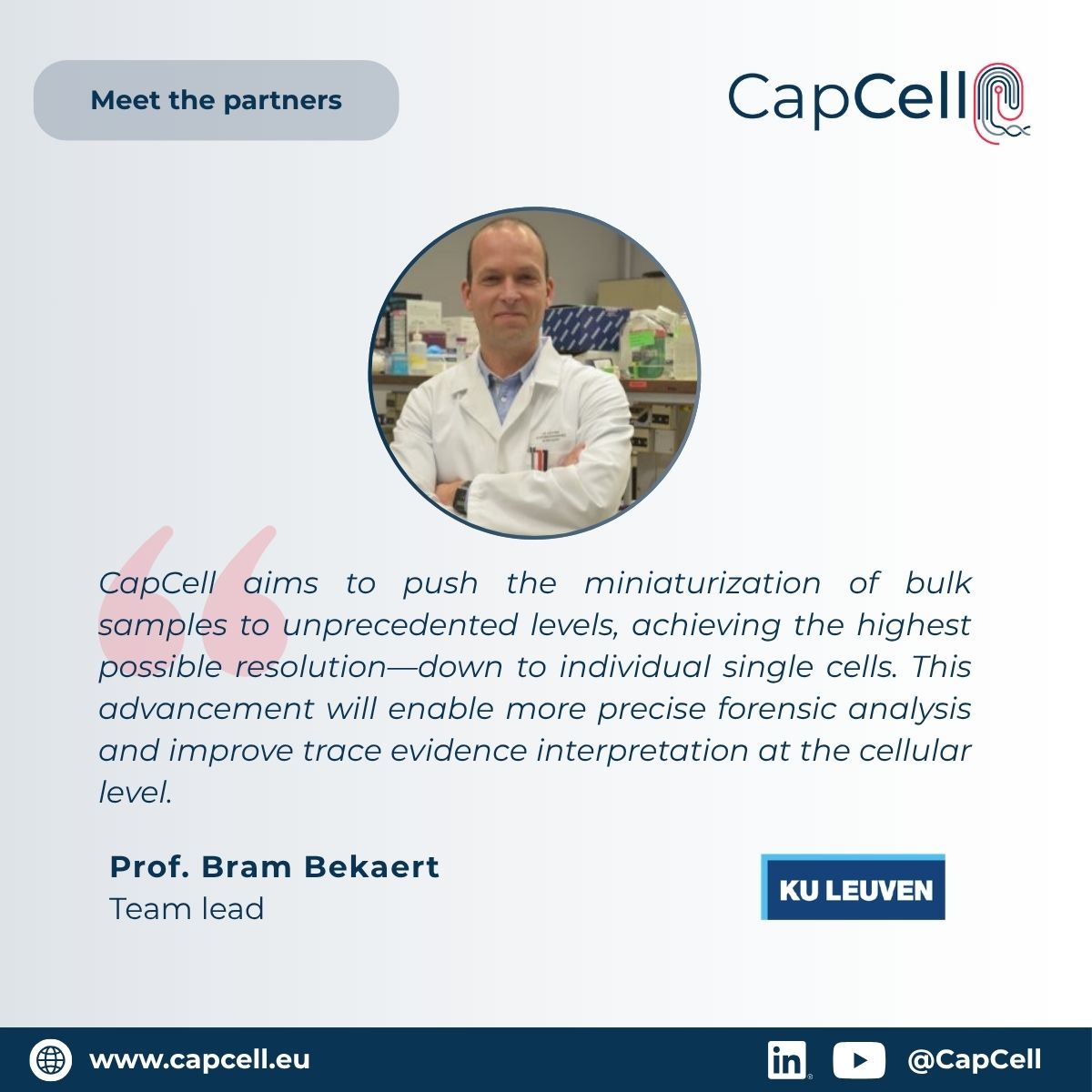
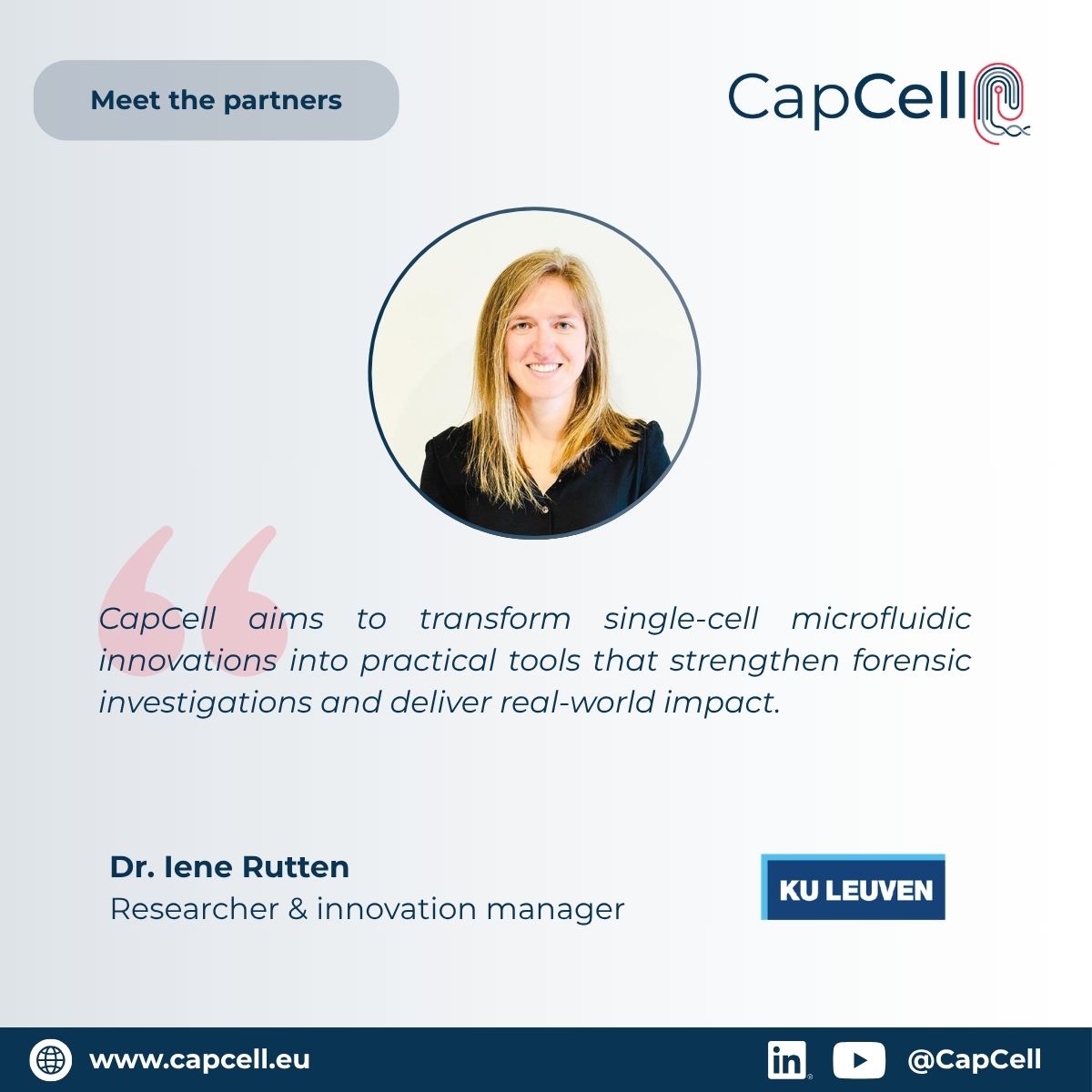
Within CapCell, researchers are working to advance microfluidic and single-cell technologies for the analysis of complex biological traces. The project involves several researchers connected to the SpermFACS work and its further development, including the KUL-FBS team (Prof. Bram Bekaert and Kristina Fokias) and the KUL-MeBioS team (Prof. Jeroen Lammertyn, Iene Rutten and Karen Ven). Their work contributes to the development of faster, more compact and more practice-oriented forensic tools.
By translating the scientific progress demonstrated through SpermFACS into a miniaturised microchip-based approach, CapCell seeks to support future forensic investigations involving complex DNA mixtures. In the longer term, this could help extend the analysis beyond sexual assault samples to other types of forensic evidence, such as contact traces on clothing or objects.
The SpermFACS publication and the related media attention underline the societal relevance of CapCell’s research: improving forensic technologies that can strengthen evidence generation, support investigations and contribute to justice for victims of sexual violence.





Read more
- Read the UZ Leuven news article: New DNA test identifies perpetrators of sexual violence, even when there is minimal evidence
- Read the SpermFACS validation study in Analytical Chemistry
Learn more about the CapCell project and its work on microfluidics and single-cell genomics for forensic applications.